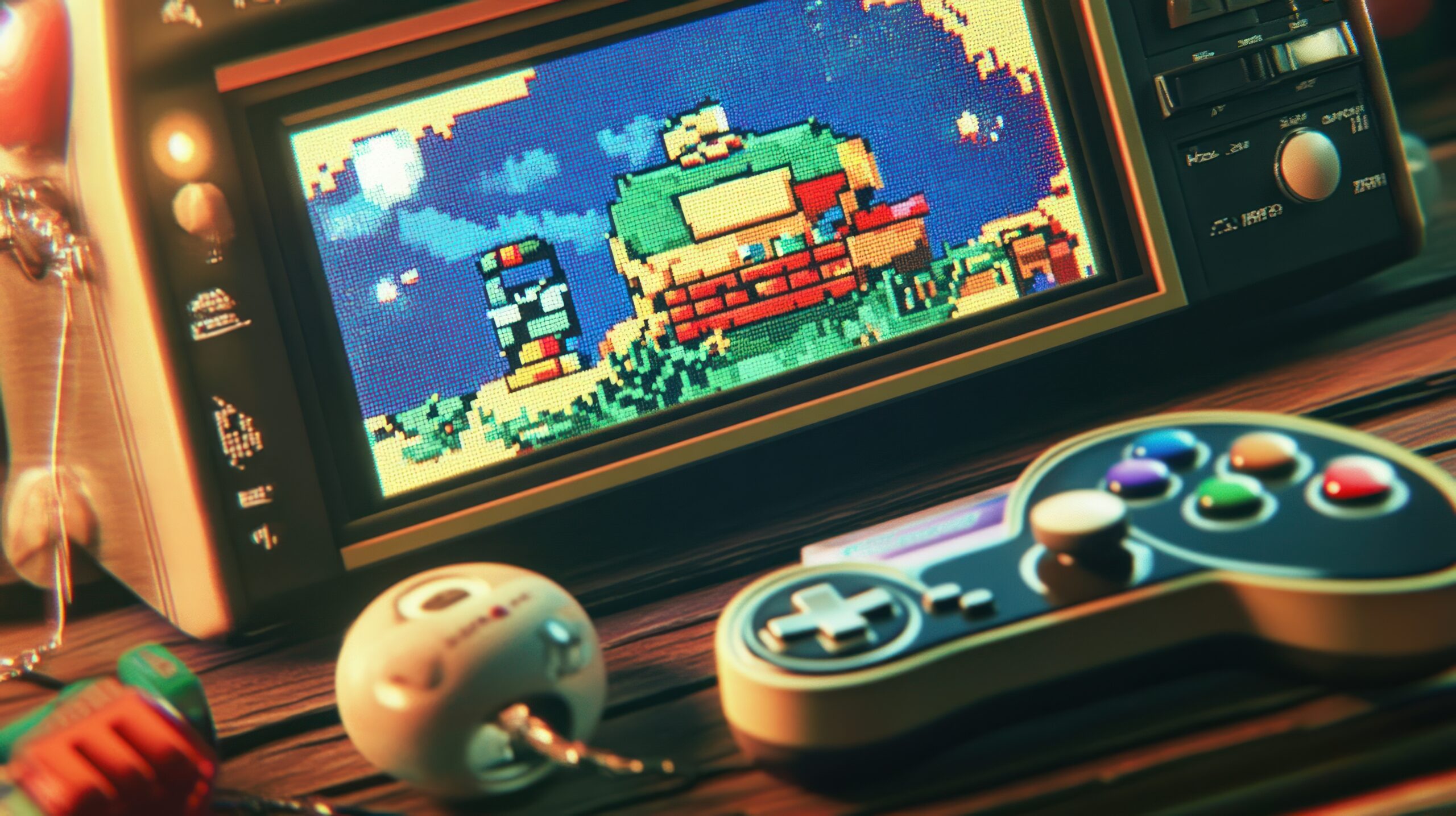
Ever since I was a kid growing up in Watkinsville, Georgia, I’ve been fascinated by worlds that exist somewhere between reality and imagination. I spent hours reading One Piece, Naruto, and Bleach, getting lost in stories of adventure, heroes, and sprawling universes. Later, video games like Elder Scrolls III: Morrowind and Counter-Strike let me explore those worlds interactively, while tabletop games like Warhammer 40K gave me the chance to craft my own. There’s something magical about being able to step into—or even build—a universe that obeys its own rules, and over time, I’ve come to see that this impulse to create and explore tells us a lot about ourselves: our creativity, our desire for control, and our curiosity about the unknown.
The Call of Creation
For me, Warhammer 40K has always been more than a game. It’s a sandbox of imagination where I can shape history, geography, and culture on a miniature scale. Each figure I paint, every army I assemble, is like breathing life into a small corner of a larger universe. In a way, painting these miniatures is like sculpting stories; I’m not just coloring plastic—I’m deciding the tone, mood, and character of an entire faction.
The joy comes from the freedom to create. In real life, most of us operate under constraints—work schedules, responsibilities, bills, and routines. But in tabletop games, I’m the architect of this tiny universe. I decide its conflicts, its alliances, and even the tiny details that make it feel real. This act of creation, of building worlds from scratch, is deeply satisfying. It’s a reminder that imagination isn’t limited by space or circumstance—it only requires time, attention, and care.
Video Games as Living Worlds
Video games like Skyrim or Team Fortress 2 offer a different kind of world-building, but one that’s equally compelling. In Skyrim, I’m not just exploring a pre-built environment—I’m shaping my own story within it. Every decision, every quest, every interaction is a brushstroke in a living, breathing narrative. I can wander through mountains, fight dragons, or even just spend a day fishing by a river. The world reacts to me, and that feedback loop makes the experience immersive in a way that tabletop games can’t always match.
These games feed a basic human desire to understand, manipulate, and participate in systems larger than ourselves. Whether it’s managing my inventory, leveling my skills, or exploring hidden dungeons, I feel a sense of agency that spills over into real life. It’s like a rehearsal for problem-solving, creativity, and decision-making—all within a safe, playful environment.
Curiosity and Control
One reason world-building is so addictive is that it combines curiosity with control. I get to explore new environments, encounter strange characters, and uncover mysteries, but I do so on my own terms. In Warhammer 40K, I decide which stories to emphasize and which battles to stage. In Skyrim, I can take the main quest or wander aimlessly for hours. That sense of control is empowering because it gives structure to imagination.
We live in a world full of uncertainty, where we rarely get to see the direct impact of our choices. Building or navigating worlds in games gives us a sandbox where cause and effect are visible and meaningful. This is not about escaping reality—it’s about experimenting with it safely, about exploring “what ifs” and “could bes” that spark our creativity and deepen our understanding of narrative and strategy.
Lessons from Imagination
The act of building worlds has taught me more than just painting techniques or gameplay strategies. It’s taught me patience, attention to detail, and the value of iterative work. Painting a single miniature to perfection or modding a game environment can take hours or even days, but the process itself is meditative. It requires focus, and in return, it rewards with a sense of accomplishment and clarity.
More importantly, these creative worlds offer lessons in empathy. When I write the backstory of a character or consider how a faction in Warhammer 40K might respond to a crisis, I’m practicing perspective-taking. I imagine lives, motives, and consequences beyond my own experience. That’s a skill I carry into real life, whether it’s parenting, caregiving, or connecting with friends and family. Curiosity about other worlds strengthens curiosity about the world around me.
Creativity Beyond the Game
Even though tabletop and video games are “just games,” they encourage habits of mind that spill over into my daily life. The same curiosity and attention to detail I use in building armies or exploring Tamriel now influences my painting, my 3D printing projects, and even how I organize my day with my kids. I see connections, patterns, and possibilities that I might have otherwise overlooked.
Games remind me that imagination is a muscle. The more I practice it, the more capable I become of seeing the extraordinary in ordinary moments. A dragon in Skyrim is one thing, but the creativity required to narrate a child’s bedtime story, design a new craft project, or plan a small family event draws on the same skills. In all cases, I’m creating worlds—tiny, meaningful worlds that exist in my imagination and my everyday life.
The Enduring Joy
World-building is more than entertainment. It’s a way of exploring who I am, what I value, and how I want to engage with the universe—whether that universe is made of miniatures, pixels, or the simple moments of daily life. Games like Warhammer 40K and Skyrim provide endless opportunities for experimentation, curiosity, and creativity, reminding me that we are all capable of crafting our own worlds, no matter how small or large.
At the end of the day, the joy comes from participating in something bigger than myself, even if it exists first in imagination. These worlds—painted, coded, or imagined—offer a playground for creativity, a laboratory for empathy, and a sanctuary for curiosity. And in building them, I find not just entertainment, but insight, purpose, and a sense of wonder that carries into every corner of my life.
